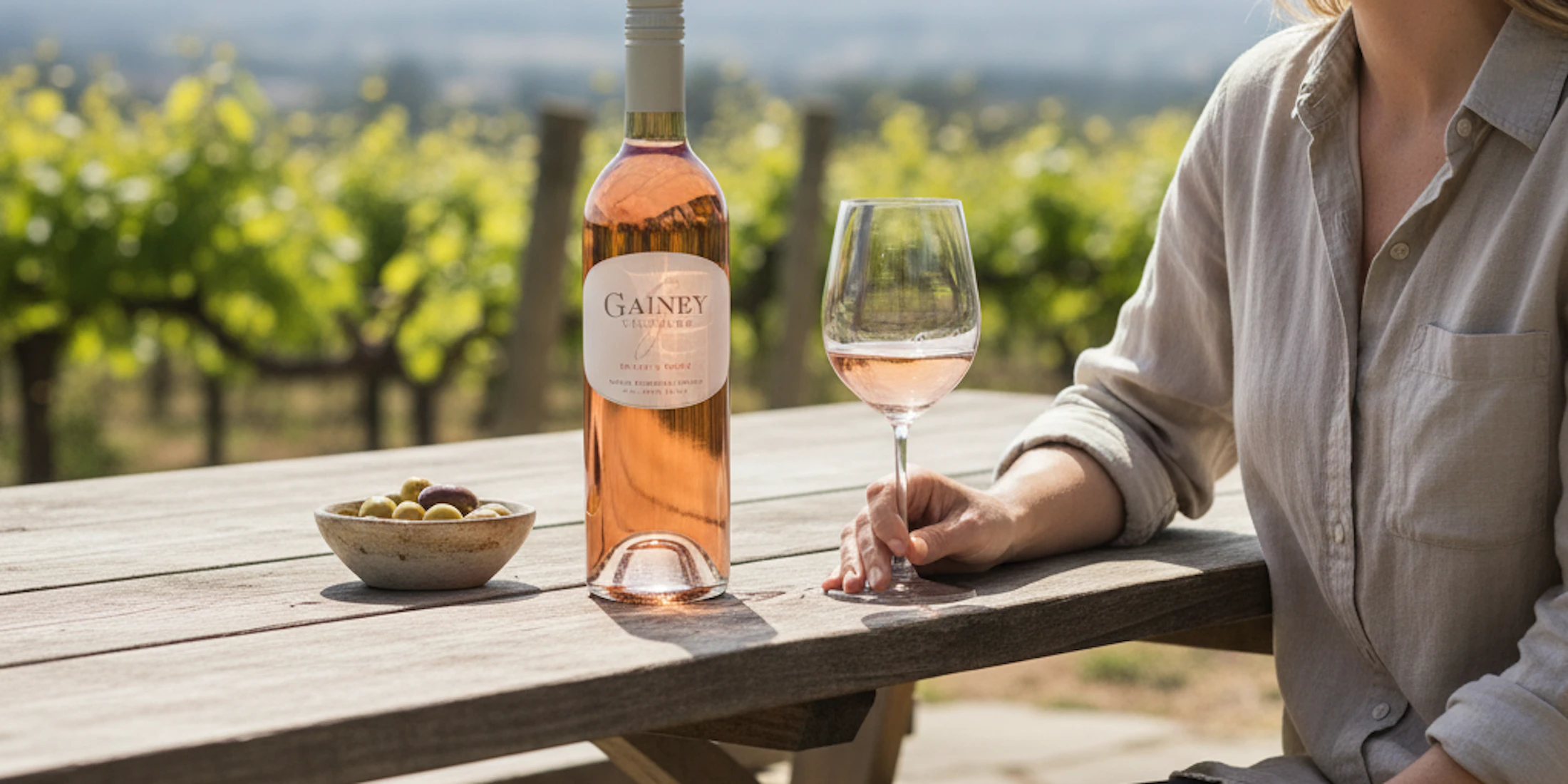
The Connoisseur’s Guide to Santa Ynez: Elevating the Tasting Experience with Gainey Vineyard
Introduction: The Philosophy of the Refined Journey
To embark upon a journey through wine country is to engage in a pursuit that transcends the simple act of consumption. It is an exploration of history, a study of geology, and an immersion into the delicate balance between human endeavor and the natural world. For the discerning traveler, a visit to a vineyard is not merely a stop on an itinerary; it is a sophisticated engagement with the soul of a region. In the heart of California, few places offer such a profound connection to the land as the Santa Ynez Valley. It is within this verdant landscape that Gainey Vineyard stands as a beacon of excellence, offering a narrative of heritage and quality that defines the modern tasting experience.
The philosophy of the refined journey suggests that the quality of one’s travel is determined by the depth of the experiences encountered. One does not simply visit the Santa Ynez Valley to observe the scenery; one visits to understand the rhythm of the seasons and the meticulous labor required to transform a cluster of grapes into a symphony of flavor. Gainey Vineyard serves as the ideal host for this exploration, providing a sanctuary where the complexities of viticulture are presented with grace and clarity. As we navigate this guide, we shall examine how a well-planned excursion to this distinguished estate can elevate a standard vacation into a lasting cultural memory.
The Allure of the Santa Ynez Valley: A Geographic Masterpiece
Before one can fully appreciate the nuances of a specific vintage, it is essential to understand the cradle in which those grapes were nurtured. The Santa Ynez Valley is a geographic anomaly of significant importance. Unlike the majority of coastal valleys in North America, which run in a north-south direction, this valley is oriented east-west. This unique configuration creates a funnel for the cool maritime breezes and fog of the Pacific Ocean, allowing them to penetrate deep into the interior.
This transverse orientation results in a remarkable diversity of microclimates. To the west, the Sta. Rita Hills remain shrouded in mist, providing the ideal conditions for delicate Pinot Noir and Chardonnay. As one travels eastward toward the Gainey Vineyard estates, the temperature rises, and the sunlight becomes more consistent, creating a haven for Bordeaux and Rhône varieties. It is this climatic gradient that allows the region to produce such a wide array of world-class wines within a relatively small area.
One might observe that the soil itself tells a story of ancient transformations. The valley floor is composed of alluvial deposits, while the surrounding hillsides feature shale and limestone. These geological features contribute to the mineral complexity and structural integrity of the wines. When one stands upon the grounds of Gainey Vineyard, one is standing upon a legacy of earth and stone that has been carefully managed for generations to ensure that every bottle reflects the authentic character of this extraordinary valley.
Section I: Planning the Ideal Day Trip
The art of travel requires careful consideration of logistics to ensure that the experience remains serene and unhurried. For those residing in or visiting Southern California, the Santa Ynez Valley offers an accessible escape that feels worlds away from the urban bustle. When planning a day trip, the objective should be to maximize the quality of engagement rather than the quantity of locations visited.
The Importance of Accessibility and Proximity
One of the most significant advantages of Gainey Vineyard is its strategic location. Situated at the gateway to the Santa Ynez Valley, it is often the first distinguished estate that travelers encounter when arriving from the south via Highway 154. This proximity to the main thoroughfares makes it an essential and convenient anchor for any day trip. By beginning one’s journey at Gainey Vineyard, the traveler establishes a high standard of hospitality and quality that sets the tone for the remainder of the day.
It is a pleasure to suggest that visitors arrive in the late morning. This timing allows for a leisurely drive through the San Marcos Pass, where one may admire the panoramic views of the Pacific Ocean before descending into the golden hills of the valley. Arriving at the vineyard before the midday peak ensures a tranquil atmosphere, allowing the staff to provide the personalized attention that is a hallmark of the Gainey Vineyard experience.
Curating the Itinerary
A common error in wine travel is the attempt to visit too many tasting rooms in a single afternoon. Such an approach often leads to sensory fatigue and a diminished appreciation for the craft. Instead, it is recommended that the traveler select two or three premier locations. Gainey Vineyard should serve as the centerpiece of this selection. Because the estate offers a comprehensive look at the region’s diversity—from crisp whites to robust reds—it provides a complete narrative of the valley’s potential in a single stop.
Should the traveler find themselves in the charming village of Los Olivos later in the afternoon, they will find that the foundational knowledge gained at Gainey Vineyard enhances their appreciation of the local boutiques and galleries. The transition from the expansive beauty of the vineyard to the intimate atmosphere of the town creates a balanced and fulfilling day of exploration.
Section II: The Aesthetic of the Estate
The environment in which a wine is tasted profoundly influences the perception of its quality. A "scenic and relaxing" atmosphere is not merely a luxury; it is a vital component of the sensory experience. Gainey Vineyard has long recognized this principle, maintaining an estate that is as visually stunning as its wines are palate-pleasing.
The Architecture of Hospitality
Upon entering the grounds of Gainey Vineyard, one is immediately struck by the harmony between the built environment and the natural landscape. The architecture pays homage to the Spanish Colonial heritage of California, featuring white-washed walls, terracotta tiles, and heavy timber accents. This aesthetic choice creates a sense of permanence and tradition, reminding the guest that they are visiting a place with deep roots in the community.
The tasting room itself is designed to be an extension of the vineyard. Large windows and open spaces invite the outside in, allowing the golden light of the Santa Ynez sun to illuminate the interior. It is a space that encourages contemplation and conversation. One might find themselves lingering over a glass of Sauvignon Blanc while gazing out at the very vines from which the fruit was harvested. This direct visual connection between the source and the glass is a rare and precious aspect of the Gainey Vineyard estate.
The Landscape as a Sanctuary
The grounds of the estate are meticulously landscaped to highlight the natural beauty of the region. Ancient valley oaks, with their gnarled branches and expansive canopies, provide shade and a sense of timelessness. The rolling hills, covered in neatly manicured rows of grapevines, create a rhythmic pattern that draws the eye toward the distant mountains.
For the traveler seeking a moment of repose, the outdoor seating areas at Gainey Vineyard offer a serene retreat. The sound of the wind through the leaves and the distant call of a hawk provide a natural soundtrack that complements the tasting experience. It is in these quiet moments that one can truly appreciate the "Refined Journey." The estate does not merely provide a product; it provides a sanctuary where the stresses of modern life are replaced by the slow, deliberate pace of the agricultural cycle.
Section III: The Art of the Tasting Room
While the scenery and the wine are essential, the human element is what truly defines a memorable visit. The etiquette of hospitality is a delicate art, requiring a balance of professional knowledge and genuine warmth. At Gainey Vineyard, the staff are not merely servers; they are ambassadors of the land and the brand.
Defining the Welcoming Atmosphere
A "friendly" tasting room is one where the guest feels valued and respected, regardless of their level of expertise. It is a pleasure to observe the manner in which the team at Gainey Vineyard engages with visitors. They possess a remarkable ability to tailor their presentation to the individual, offering technical details to the connoisseur while providing a welcoming introduction to the novice.
Professionalism in this context means more than just efficiency. It involves a deep commitment to the guest’s comfort. From the moment one is greeted at the entrance to the final farewell, the service is characterized by a polite and considerate demeanor. This level of hospitality ensures that the visit is not just a transaction, but a meaningful interaction that leaves a lasting impression.
The Educational Component of the Flight
A tasting flight at Gainey Vineyard is a curated educational experience. Each wine is presented with a narrative that includes its varietal characteristics, the specific block of the vineyard where it was grown, and the winemaking techniques employed to bring it to fruition. This transparency allows the guest to develop a deeper understanding of what makes estate-grown wines so distinctive.
One is encouraged to use all the senses during the tasting process. The visual clarity of the wine, the complexity of its bouquet, and the structural balance on the palate are all discussed with a measured enthusiasm. By the end of the session, the visitor has not only enjoyed several exquisite wines but has also gained a greater appreciation for the labor and passion that Gainey Vineyard invests in every bottle.
Section IV: Exploring Los Olivos and Beyond
While Gainey Vineyard is a destination unto itself, it also serves as a gateway to the broader cultural and viticultural riches of the Santa Ynez Valley. The nearby town of Los Olivos is a quintessential example of the region’s charm. Originally a stagecoach stop in the late nineteenth century, it has evolved into a sophisticated hub for wine enthusiasts and art lovers alike.
The Charm of Los Olivos
Los Olivos maintains a nostalgic atmosphere that is increasingly rare in the modern world. Its tree-lined streets are home to historic buildings, independent boutiques, and world-class dining establishments. After a morning spent at Gainey Vineyard, a stroll through Los Olivos provides a delightful contrast. The town’s intimate scale allows for easy exploration on foot, making it a perfect complement to the expansive vistas of the vineyard.
The relationship between the town and the surrounding estates is one of mutual respect and shared history. Many of the families who farm the land have been part of the Los Olivos community for generations. This sense of continuity is palpable as one visits the local shops or enjoys a meal at one of the town’s renowned restaurants. It is a community that takes pride in its heritage and welcomes visitors with a graciousness that is characteristic of the valley.
The Broader Context of the Valley
Beyond Los Olivos, the Santa Ynez Valley offers a variety of experiences for the intrepid traveler. To the west lies the Danish-inspired village of Solvang, with its unique architecture and traditional bakeries. To the east, the rugged beauty of the San Rafael Mountains provides a dramatic backdrop for the more secluded estates of the Happy Canyon area.
Throughout this region, Gainey Vineyard remains a central figure. Its influence is felt not only in the quality of its wines but also in its commitment to the community and the environment. By positioning itself as a leader in both viticulture and hospitality, the vineyard helps to define the identity of the entire valley. Whether one is a first-time visitor or a frequent guest, there is always something new to discover in this dynamic and beautiful landscape.
Section V: Sustainable Stewardship and the Estate Legacy
The excellence of Gainey Vineyard is not a matter of chance; it is the result of a deliberate and long-term commitment to sustainable stewardship. To understand the brand is to understand the importance of the "estate-grown" philosophy. This means that every step of the process, from the planting of the vines to the bottling of the wine, occurs under the direct supervision of the Gainey family and their dedicated team.
The Multi-Generational Commitment
The history of Gainey Vineyard is a story of three generations of the Gainey family who have lived and worked on this land. This multi-generational perspective is crucial in viticulture, where the decisions made today will affect the quality of the harvest for decades to come. There is a profound sense of responsibility that comes with managing a legacy, and this is reflected in the meticulous care given to every acre of the estate.
One might observe that this long-term view allows for a level of consistency that is difficult to achieve otherwise. The family’s deep knowledge of their specific plots of land—the way the sun hits a particular slope or how the soil retains moisture after a spring rain—is an invaluable asset. It is this intimate connection to the earth that allows Gainey Vineyard to produce wines of such exceptional character and balance.